In October 1918, wildfires that a court traced to sparks from a locomotive destroyed Cloquet, Minnesota. The accepted death toll across the region is 453. Residents won in court but could not collect from the federal government, which was then running the railroads; about 8,000 claimants accepted partial payment and signed releases, and Congress did not provide further relief until 1935. Cloquet raised the questions utilities, regulators and lawmakers still face: who pays, how much, how fast, and whether to settle those answers before a fire or after one.

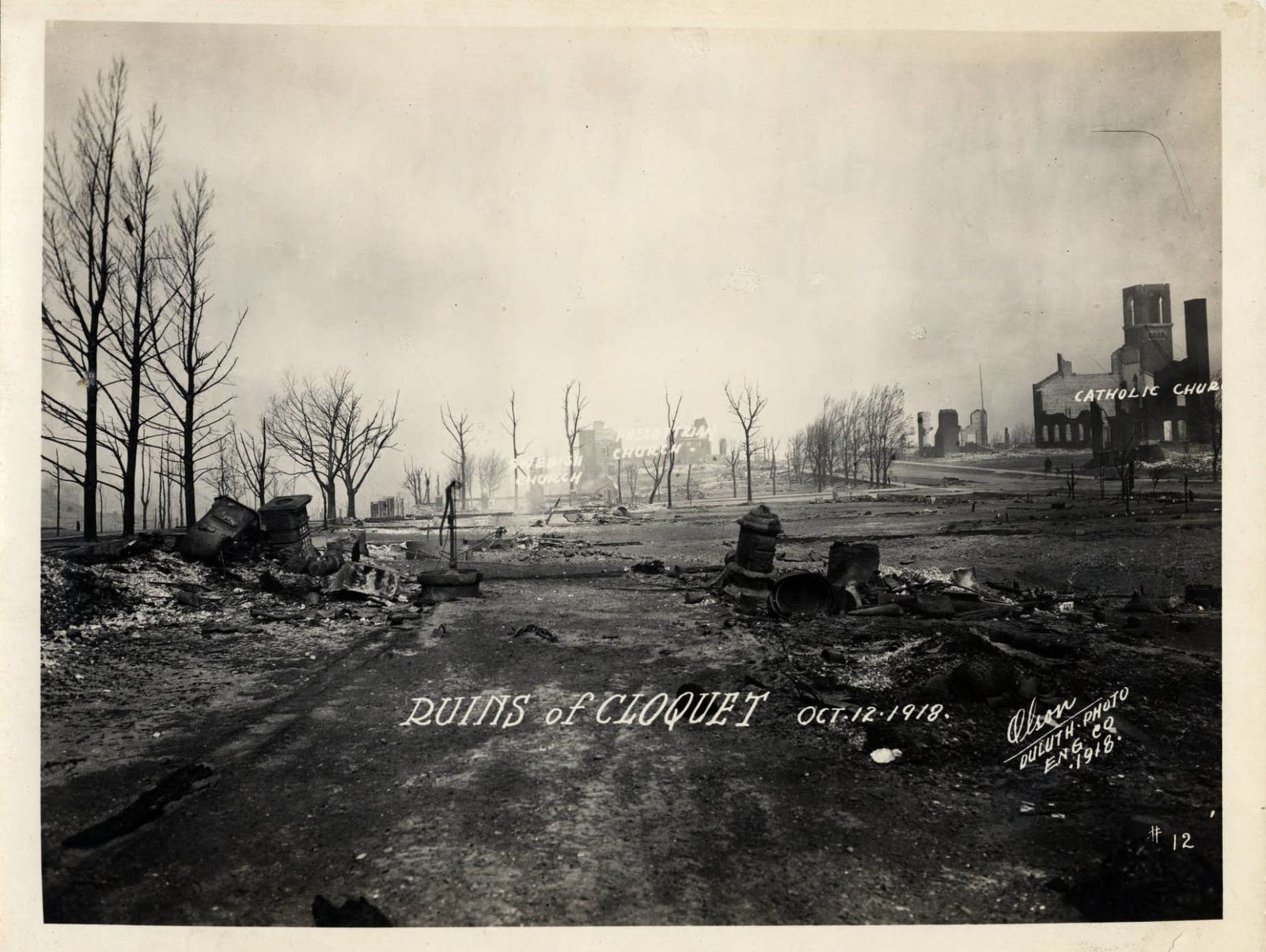
On the afternoon of Saturday, October 12, 1918, the people of Cloquet, Minnesota, had much on their minds. The country was at war in Europe. The influenza pandemic had reached the north woods. And after two years of drought, the forests and logging slash around town were as dry as anyone could remember.
Two days earlier, a Great Northern locomotive passing milepost 62, about 20 rail miles from town, had thrown sparks into dry material beside the tracks. Forest products were stacked along the line, and nobody was patrolling it. The fire smoldered and crept. Nobody put it out.
On the 12th a cold front came through and the wind rose. Around midday, that fire and dozens of others across the region began to run. By early evening, the Weather Bureau at Duluth was clocking winds of 76 miles per hour. Fifty or more separate fires merged into two enormous fronts, one bearing down on Cloquet and Duluth, the other on Moose Lake to the southwest.
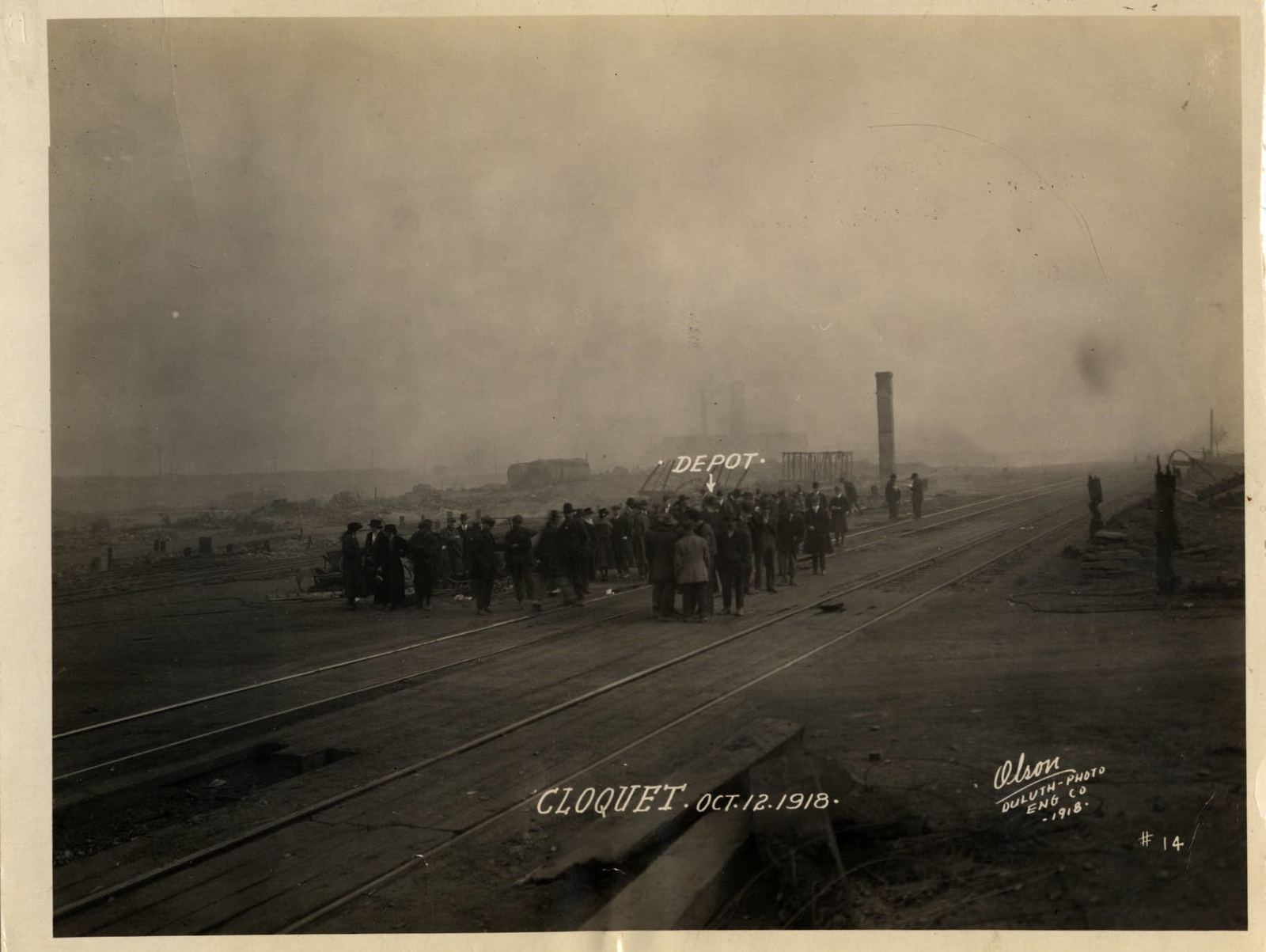
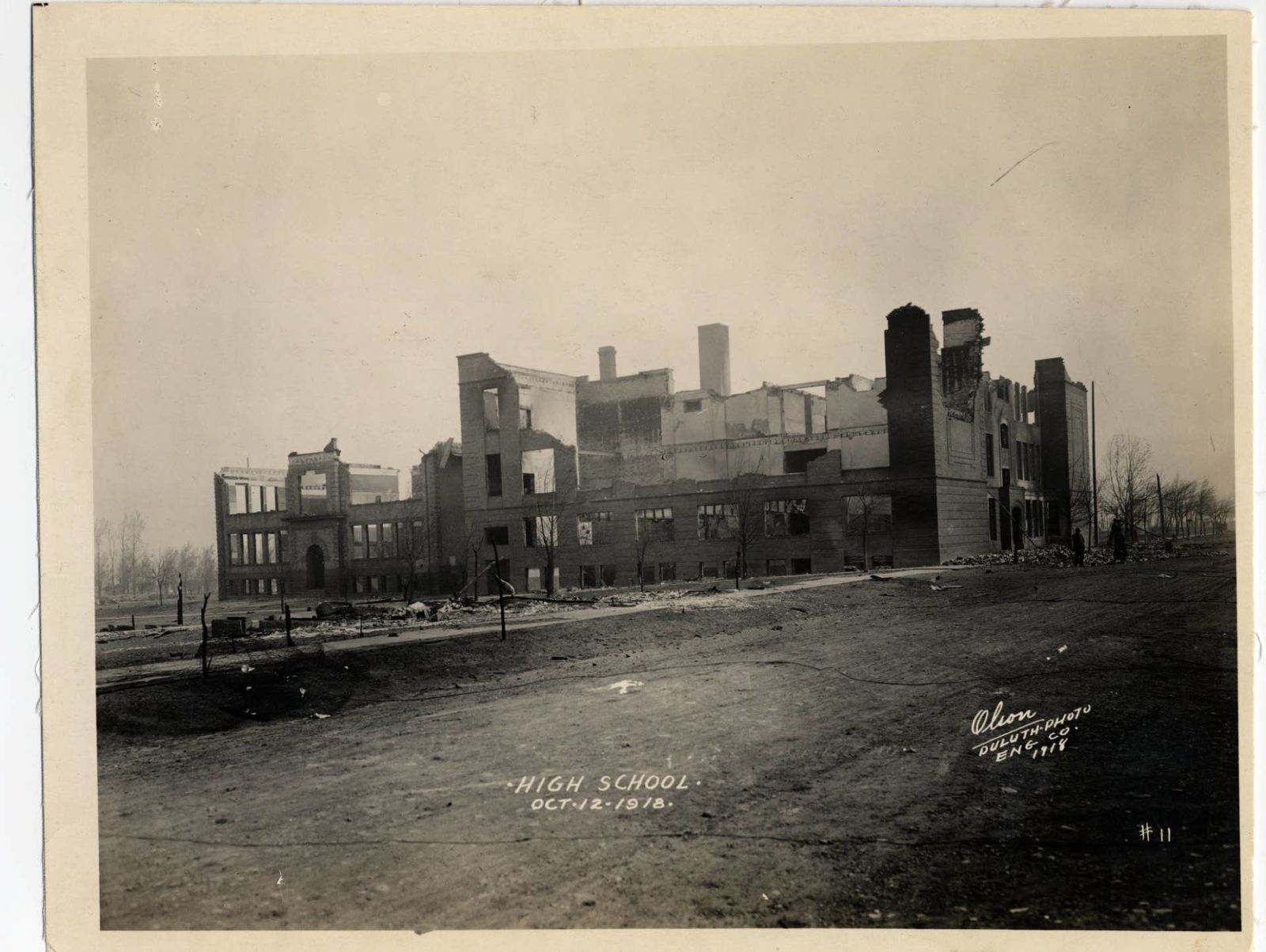
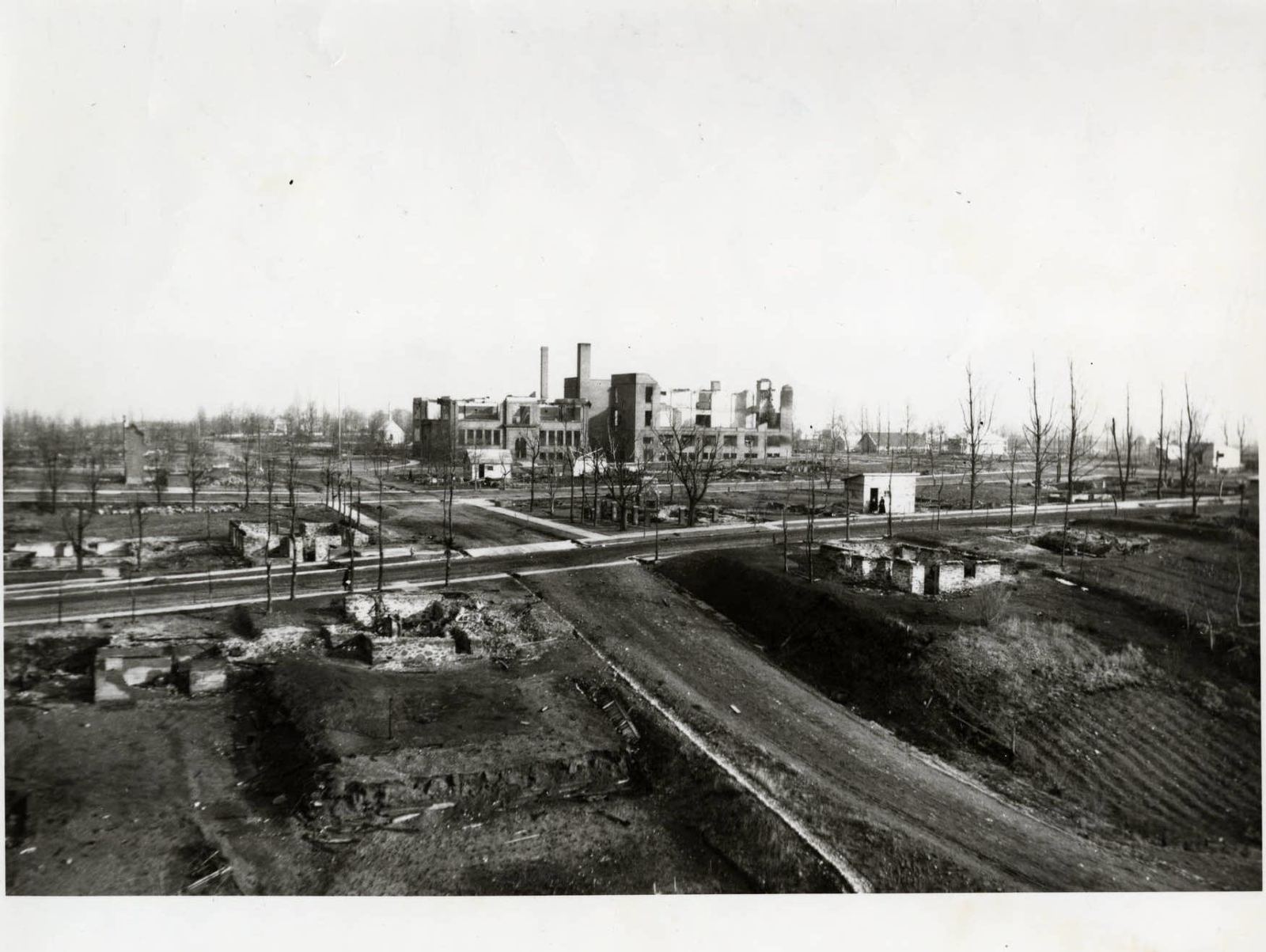
Cloquet got just enough warning. Factory whistles blew, telephone operators called every number, and the mayor organized four evacuation trains. More than 7,000 people got out by rail. Five people died in Cloquet itself. The town did not survive. A later U.S. Senate report put it plainly: “The entire city of Cloquet, then having about 8,000 people, was wiped off the map.”
Moose Lake fared far worse. About 200 people died there. Relief trains carried a few hundred to safety, and most survivors waded into Moose Head Lake and waited for the fire to pass. Near Kettle River, people who took shelter in root cellars suffocated.
Late that night the wind turned, bringing cooler, damper air off Lake Superior, and by 3:00 a.m. Sunday it was over. One account says it lasted “less than fifteen hours from beginning to end.” It had burned about 1,500 square miles. The accepted death toll is 453; the Senate report put it at “more than 500.” More than 52,000 people were displaced. The fire burned more than 4,000 homes and 6,000 barns, and 36 communities were destroyed or damaged. With homes gone and the epidemic still raging, another 106 deaths were later attributed to influenza and pneumonia.
By death toll, it remains one of the worst wildfires in American history.
The lawsuits, and a defendant who wouldn’t pay
In 1918, the federal government had taken over the nation’s railroads as a wartime measure. The train that started the milepost 62 fire was being run by the United States Director General of Railroads. The people of Cloquet were suing their own government.
About 15,000 lawsuits were filed. To get to an answer, 278 cases were consolidated and tried together before a panel of five judges, with no jury. The judges spent five weeks weighing the evidence: maps, wind directions, eyewitness accounts of which fire reached town first. Four of the five found that the milepost 62 fire, negligently allowed to escape, was the one that destroyed Cloquet. In 1921 the Minnesota Supreme Court upheld that finding in Hall v. Davis.
One of the witness statements gathered for those suits came from my great-grandfather, Ben Bassett, who farmed outside Cloquet. The fire burned his barn at about 8:00 on the night of October 12, the same hour it reached the city.
The plaintiffs won in court. Winning did not get them paid. Federal law said such judgments “shall be promptly paid,” but the Railroad Administration refused, and because the railroads were under federal control, no creditor could seize railroad property. The Administration also announced there would be no more consolidated trials: every remaining case would go to a jury and through appeal. The trial judges estimated it would take “all the judges of the State of Minnesota working all the time for 10 years to clear up these claims.”
Then came the offer. Cloquet claimants could have half of their proven losses, and claimants elsewhere 30 to 50 percent, depending on the zone. The Senate later called it a “take it or leave it” proposition. Every claimant who accepted signed a general release giving up any further claim. About 8,000 took the deal. According to the Senate report, many were destitute, the money raised to try the Cloquet case was spent, and refusing meant years more in court. Roughly 7,000 other actions were dismissed.
A moral debt
Beginning in 1930, relief bills came before three successive Congresses. One passed the Senate, but none became law; that took a fourth bill, in 1935. In late 1933 and early 1934, Attorney General Homer Cummings reviewed the claims. Legally, he said, the government owed nothing: it could not be sued in tort, and the claimants had signed releases. Even so, he concluded that “a moral and equitable obligation on the part of the Federal Government exists in favor of these claimants.” President Roosevelt agreed.
On August 27, 1935, nearly 17 years after the fire, the relief act became law. It directed the Treasury to pay each claimant the difference between the proven loss and what the government had already paid, less any insurance payout. Fire insurers, other than farmers’ mutuals, were cut out of the money and barred from any subrogation claim. Anyone who charged more than 10 percent of a recovery for helping a claimant faced up to a $500 fine, a year in jail, or both.
The act still did not make claimants whole. It paid no interest on losses 17 years old. It covered only losses already fixed by a court or by the Railroad Administration’s records, which on its face leaves out people whose suits had been dismissed. And claims still had to be filed and certified, so the last checks went out later still.
The bill was large for its day. The Attorney General put the proven losses at about $30 million, roughly $640 million in 2025 dollars, an amount that includes only losses fixed by judgment or agreement. The Senate report estimated the fire’s total damage as up to $40 million, or about $850 million today.
Why it still matters
Take away the steam locomotives and Cloquet looks a lot like today’s fight over utility wildfires. An operator of essential infrastructure started a fire in drought and high wind. A finding of fact established its liability. Then the hard part began.
The Cloquet plaintiffs held final, affirmed judgments but could not collect. Today, lightning-caused fires, judgment-proof parties, or losses that exceed an at-fault party’s ability to pay create similar problems for survivors.
The claimants took 30 to 50 cents on the dollar and signed releases to get anything at all. People who have lost everything sometimes settle for less because they cannot afford to wait or because available funds are limited. How fast survivors are paid, and how much of their loss that payment covers, is now a central design question for wildfire funds and settlement frameworks.
Congress in 1935 cut fire insurers out of the money; how to treat subrogation claims is still one of the hardest questions in designing a durable funding solution.
In 1918 the operator was the government, so the bill eventually landed on taxpayers. Today it is split, by statute or by default, among utility shareholders, ratepayers, insurers and the survivors themselves. Cloquet’s backstop came after the fact, on a “moral and equitable” theory, in 1935, after relief bills had failed in three successive Congresses. Some modern approaches, such as the California Wildfire Fund, provide funding to cover fires that have not yet happened, and other states are weighing their own versions.
But the solutions are not easy; each approach requires lawmakers and regulators to choose among competing policy objectives. Over a century after one of the nation’s deadliest conflagrations, utilities, regulators and lawmakers are still wrestling with the questions Cloquet faced: who pays, how much, how fast, and whether to settle those answers before a fire or after one.